di Claudia Scattolini
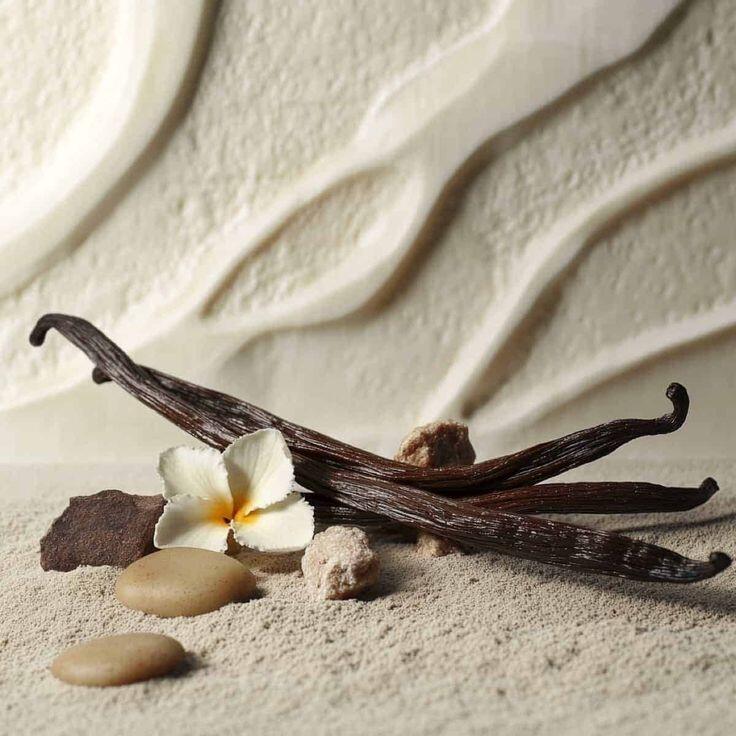
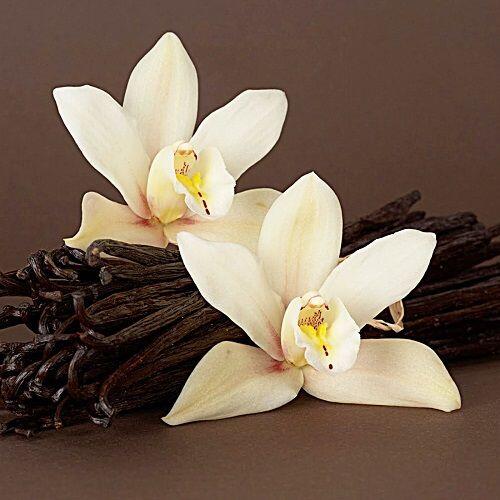
Vanilla: from the lab to the bottle.Vanilla is far more than just a scent—it’s a universal caress. For a perfumer, however, it represents an intriguing chapter in olfactive chemistry, the discipline that explores the connection between molecular structure and the sensations it triggers in the nose. Mastering this relationship is key to creating fragrances that are not only beautiful but also complex, long-lasting, and stable. It’s a form of modern alchemy where artistic sensibility meets scientific precision, and vanilla is one of its finest examples.From the natural pod to perfume.True vanilla comes from the pod of Vanilla planifolia, originally from Mexico. Its distinctive aroma is the result of patience and craftsmanship: raw pods are almost odorless and only develop their fragrance after a long and intricate curing process.This rarity makes vanilla one of the most precious raw materials in the world. Vanilla absolute, obtained from the pods, offers a rich, multi-layered scent with balsamic, spicy, and liqueur-like tones. Yet, because of its instability and tendency to darken solutions, its use in perfumery has limits—pushing perfumers to explore other avenues.Vanillin and Ethylvanillin: the chemistry behind the magic.The familiar scent of vanilla is anchored in two essential molecules:Vanillin: discovered in the 19th century, it is the primary molecule responsible for vanilla’s characteristic aroma. Today, it is mostly synthesized to ensure purity, stability, and availability, making it a reliable building block. In perfumery, vanillin is a cornerstone note—bringing warmth, sweetness, and roundness. It is vital not only in gourmand creations but also in softening floral and woody blends.Ethylvanillin: a man-made derivative with a structure similar to vanillin, but three to four times more powerful. Its profile is creamier, richer, with chocolatey and caramel accents. Used sparingly, it acts as a booster, enhancing both projection and longevity.Building vanilla: the art of composition.
Recreating the richness of natural vanilla goes well beyond vanillin and ethylvanillin. Perfumers rely on a palette of modifiers and resins to add depth and dimension.Coumarin, with its tobacco and hay-like facets, or Benzoin, with its balsamic, powdery warmth, are key to shaping a more rounded and sophisticated vanilla accord.Through this layering, vanilla transforms from a simple sweet note into a complex sensorial journey.Guerlain’s legacy: Guerlinade and Shalimar.Vanillin has been at the heart of some of perfumery’s most defining moments. During my studies at ISIPCA in Versailles—the renowned perfume school founded in 1970 by Jean-Jacques Guerlain—I learned how essential chemistry is to the creation of legendary fragrances.Maison Guerlain famously combined the richness of naturals with the power of synthetics such as vanillin and coumarin to craft the iconic Guerlinade accord. This closely guarded signature gave birth to masterpieces like Shalimar—a fragrance I deeply admire—showing that chemistry is not a substitute, but a creative force that can make a perfume timeless.Extrait de Parfum Vanilla: an olfactive embrace.All this knowledge comes together in my personal interpretation of vanilla. My Extrait de Parfum Vanilla was conceived to break away from clichés—to be neither overly sweet nor obvious. I wanted to create a perfume that tells a story, that feels intimate and reassuring—an olfactive embrace for both body and soul.At its heart lies Bourbon Vanilla, the most precious variety, illuminated by unexpected companions: jasmine lends freshness, peach adds a juicy fruity note, while white musks bring brightness and a clean, almost airy quality.The result is what I call a “transparent” fragrance—one that truly comes alive on the skin. A unisex creation that offers comfort and protection, an olfactory artwork that transcends stereotypes.Vanilla today: between science and emotion.Chemistry is the tool that allows us to turn matter into emotion. When paired with a perfumer’s sensitivity, molecules such as vanillin and ethylvanillin can conjure memories and sensations, transforming a fragrance into a deeply personal experience.Today, vanilla has become a “bridge note” between masculine and feminine perfumery, carrying a universal appeal. At its core, though, vanilla is not just an idea—it is a feeling: a gentle caress that surrounds us and gifts us a moment of beauty.